
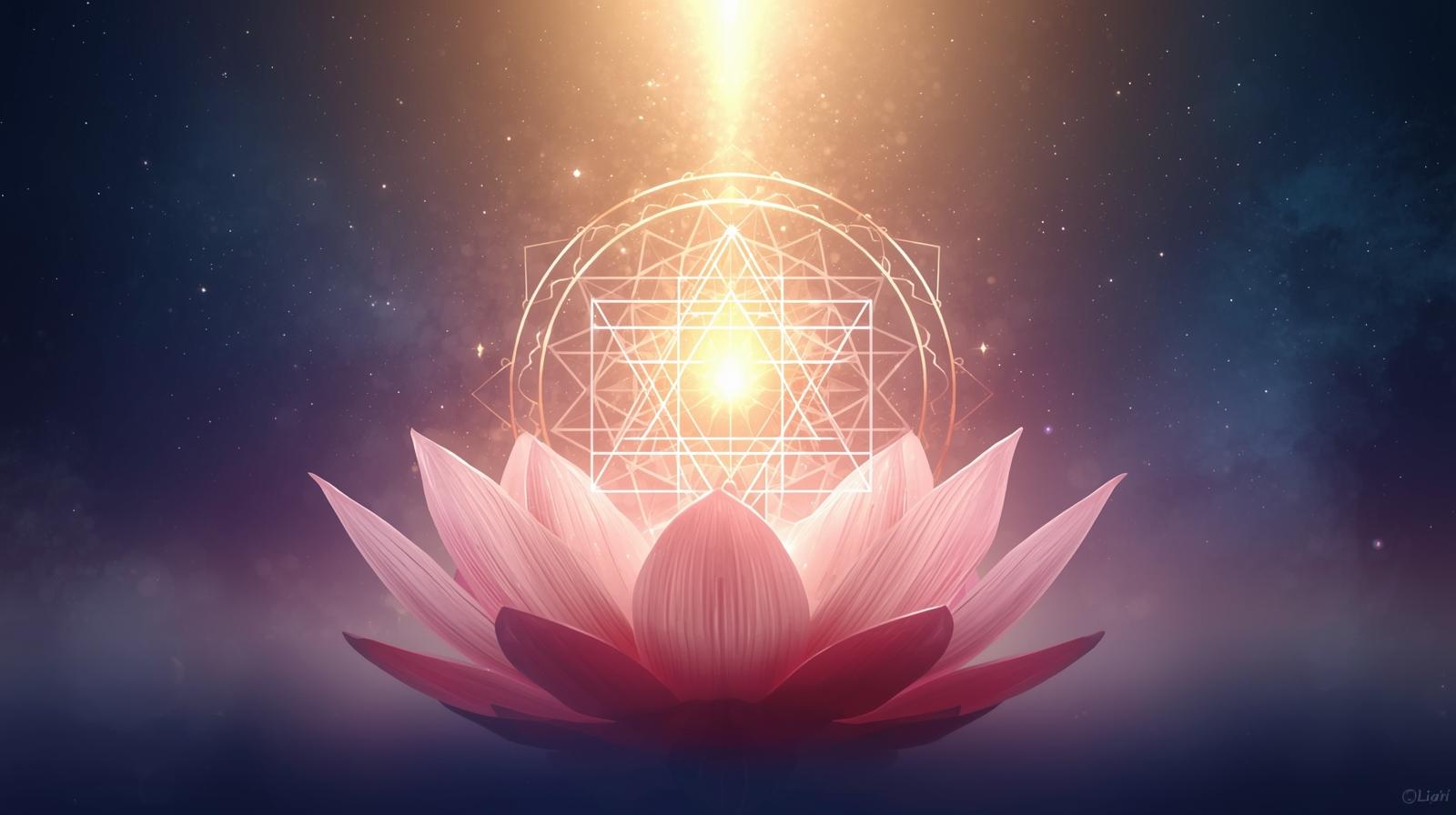
Soundarya Lahari


Introduction: A Crown Jewel of the Goddess Tradition
Within the vast landscape of Indian spiritual literature, few works hold the same reverence in the Śākta tradition as Soundarya Lahari.
For devotees of the Divine Mother, this text is not merely poetry or philosophy.
It is:
-
A manual of devotion
-
A map of spiritual practice
-
A celebration of the Divine Feminine
To understand its significance, we must first understand the Śākta tradition itself.
1. What Is the Śākta Tradition?
The Śākta tradition is one of the major spiritual streams of India centered on Śakti, the Divine Feminine Power.
In this tradition:
-
The ultimate reality is worshipped as Mother
-
The universe is seen as dynamic energy
-
Creation is an expression of Divine Power
Śākta philosophy teaches that:
-
Śiva represents pure consciousness
-
Śakti represents dynamic power
Without Śakti, Śiva is inactive.
Without Śiva, Śakti is directionless.
The universe exists through their union.
2. Soundarya Lahari as a Foundational Devotional Text
Many Śākta scriptures are ritual manuals or philosophical treatises.
Soundarya Lahari is unique because it combines:
-
Devotion (Bhakti)
-
Philosophy (Jnana)
-
Practice (Tantra)
It speaks both to the heart of the devotee and the mind of the seeker.
This is why it became a daily recitation text in many Śākta traditions.
3. The Divine Mother as Supreme Reality
In Soundarya Lahari, the Divine Mother is not portrayed as a secondary deity.
She is described as:
-
The source of the universe
-
The power behind creation
-
The energy sustaining existence
-
The force behind liberation
This aligns with the core Śākta view:
Śakti is the ultimate reality.
The text celebrates the Divine Mother as:
-
Creator
-
Protector
-
Teacher
-
Liberator
4. The Central Role of Śrī Vidyā
Within the Śākta tradition, one of the most refined spiritual paths is Śrī Vidyā.
Soundarya Lahari holds a special place in this lineage because it contains:
-
References to the Śrī Yantra
-
Descriptions of chakras and kundalini
-
Mystical symbolism of mantra and geometry
For practitioners of Śrī Vidyā, the text functions as a spiritual guidebook.
Many verses are traditionally linked with:
-
Specific meditations
-
Sacred diagrams (yantras)
-
Ritual practices
5. From Temple to Home: A Living Tradition
Unlike many ancient texts that remain academic or ritualistic, Soundarya Lahari lives in daily practice.
It is:
-
Recited in temples
-
Chanted in homes
-
Studied by scholars
-
Loved by devotees
This wide reach shows its unique role:
It bridges formal tradition and personal spirituality.
6. A Text of Beauty and Spiritual Psychology
The title itself means:
“The Wave of Beauty.”
Beauty here is not merely physical.
It refers to:
-
The beauty of consciousness
-
The beauty of compassion
-
The beauty of creation
-
The beauty of spiritual awakening
In Śākta spirituality, beauty is a path to realization.
Soundarya Lahari expresses this vision poetically.
7. Why the Text Remains Central Today
Soundarya Lahari continues to inspire because it:
-
Integrates devotion and philosophy
-
Honors the Divine Feminine
-
Offers both practice and reflection
-
Speaks to both scholars and devotees
It represents the heart of Śākta spirituality.
Conclusion: A Living Voice of the Divine Mother
Within the Śākta tradition, Soundarya Lahari stands as:
-
A devotional masterpiece
-
A spiritual guide
-
A philosophical bridge
It is not just read.
It is recited, practiced, and lived.
Its enduring popularity shows the timeless power of the Divine Feminine in Indian spirituality.
