
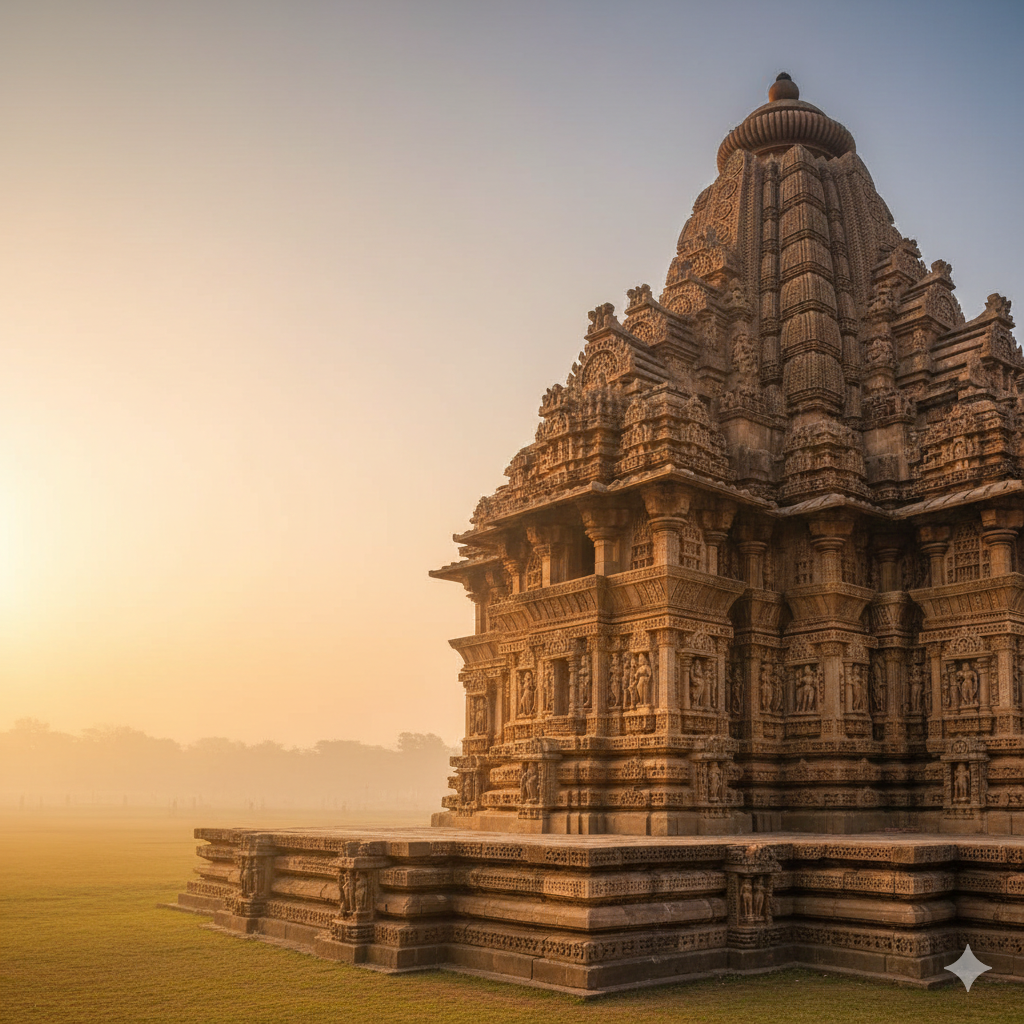
Introduction: Where Stone Becomes Geometry
Karnataka’s Hoysala temples are not just places of worship — they are architectural mathematics carved in stone.
The Belur–Halebidu circuit forms one of the most extraordinary temple trails in India:
-
Intricate symmetry
-
Star-shaped temple platforms
-
Sculptures that look alive
-
A fusion of devotion and geometry
This journey is ideal as a one-day heritage and temple circuit from Bengaluru or Mysuru.
Why This Circuit Is Special
The Hoysala period (11th–13th century) represents a peak of:
-
Temple architecture
-
Sculpture craftsmanship
-
Sacred geometry
-
Cultural sophistication
Every wall of these temples tells a story:
-
Epics like Ramayana and Mahabharata
-
Daily life scenes
-
Dance, music, and nature
-
Philosophical symbolism
This is not sightseeing.
It is walking through history and sacred design.
Route Overview
Ideal Route:
Bengaluru → Belur → Halebidu → Doddagaddavalli → Nuggehalli → Bengaluru/Mysuru
Total travel distance: ~450–480 km round trip
Best start time: 5:00 AM
Stop 1: Belur – Chennakeshava Temple
The Beginning of Hoysala Mastery
Belur was the early capital of the Hoysala Empire and home to one of India’s finest temples.
What makes Belur extraordinary
-
Star-shaped platform architecture
-
Madanikas (bracket figures) — iconic sculptures
-
Highly polished soapstone carvings
-
Symmetry and narrative storytelling
The temple took over 100 years to complete — a sign of its importance.
Inner focus
Belur represents devotion expressed through beauty.
Take time to observe:
-
The ceiling carvings
-
Musical pillars
-
Dance poses carved in stone
Recommended time: 1.5–2 hours
Stop 2: Halebidu – Hoysaleswara Temple
The Peak of Sculptural Detail
Just 16 km from Belur lies Halebidu, the later Hoysala capital.
If Belur is elegant, Halebidu is monumental.
Highlights
-
Twin temples dedicated to Shiva
-
Endless friezes depicting epics
-
Some of the finest stone detailing in India
-
Over 240 wall panels of sculpture
Look closely and you will see:
-
Elephants supporting the base
-
Lions symbolizing strength
-
Horses representing speed
-
Mythological scenes in perfect sequence
Halebidu represents power and cosmic order.
Recommended time: 1.5 hours
Stop 3: Doddagaddavalli – Lakshmi Devi Temple
The Hidden Gem of the Trail
Most tourists miss this temple — but it is a highlight of the journey.
This rare Trikuta (three-shrine) temple is dedicated to Goddess Lakshmi.
Why visit here?
-
Peaceful and uncrowded
-
Strong feminine spiritual energy
-
Early Hoysala architectural style
-
A meditative atmosphere
This stop balances the journey by bringing in Śakti (Divine Feminine).
Recommended time: 30–40 minutes
Stop 4: Nuggehalli – Lakshmi Narasimha Temple
A Perfect Closing Shrine
This lesser-known temple offers:
-
Exceptional Hoysala carvings
-
Serene rural surroundings
-
Less crowd, more silence
The Lakshmi Narasimha idol is especially revered.
This is an ideal final stop to end the day calmly before returning.
Recommended time: 30 minutes
Suggested Day Timeline
| Time | Place | Inner Theme |
|---|---|---|
| 5:00 AM | Start from Bengaluru | Begin early, travel in silence |
| 8:30 AM | Belur | Beauty and devotion |
| 11:30 AM | Halebidu | Power and cosmic order |
| 1:30 PM | Lunch break | Rest and reflection |
| 3:00 PM | Doddagaddavalli | Divine feminine energy |
| 4:30 PM | Nuggehalli | Calm closing darshan |
| 9:30 PM | Return | Quiet reflection |
Travel Tips
-
Start early to avoid traffic
-
Hire a guide at Belur or Halebidu (highly recommended)
-
Carry water and snacks
-
Wear comfortable footwear
-
Spend time observing details — do not rush
These temples reward slow travel.
Why This Trail Matters
The Hoysala temples show a unique idea:
Spirituality expressed through symmetry and craftsmanship.
They remind us that:
-
Art can be worship
-
Geometry can be sacred
-
Beauty can be a spiritual path
This trail is not just a trip — it is an encounter with living heritage.
