
Gokarna Mahabaleshwar Temple: The Sacred Ātmaliṅga of Dakshina Kashi
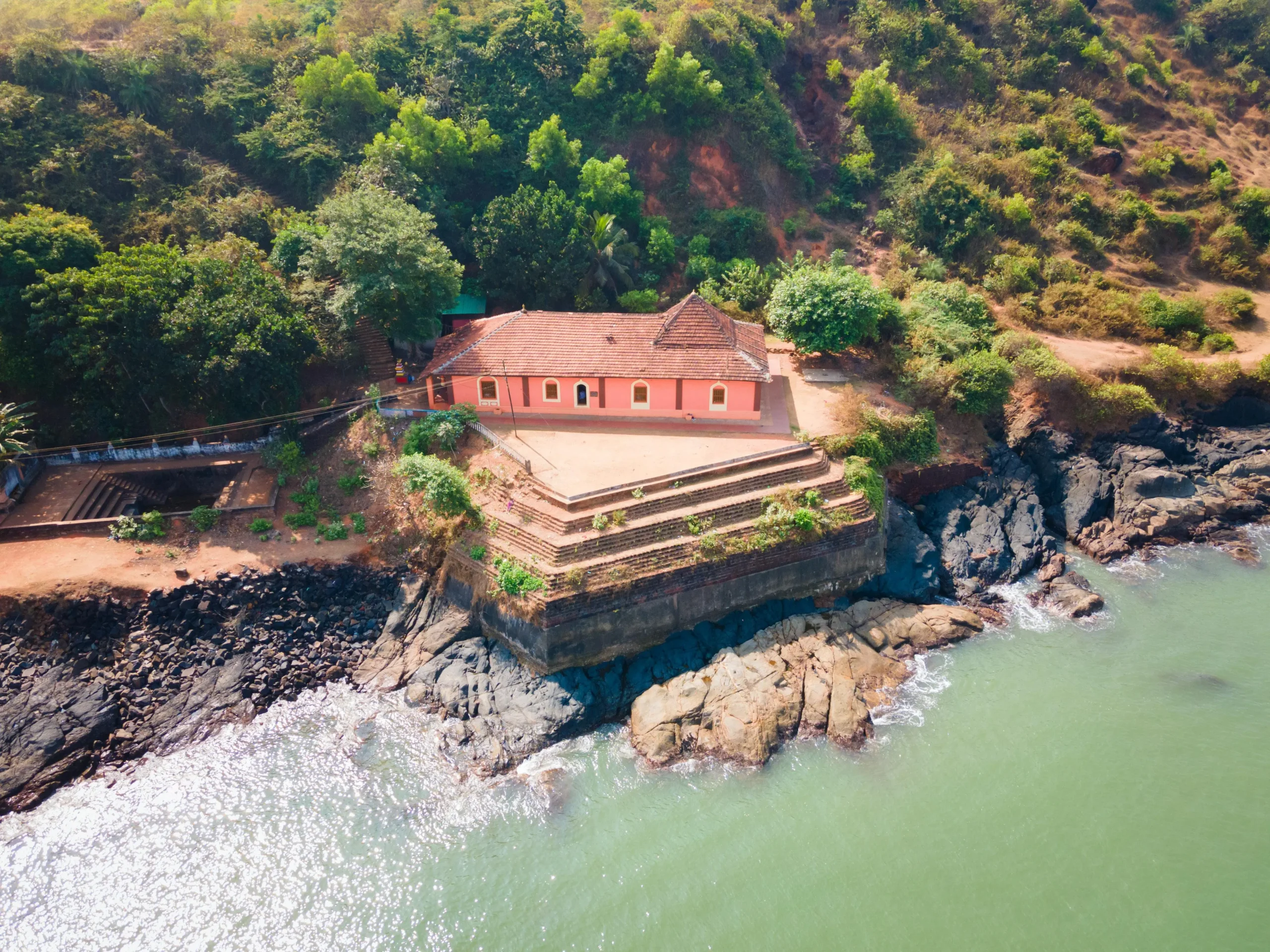
 Gokarna Mahabaleshwar Temple is one of the most revered Śiva temples in India, located on the serene western coast of Karnataka. Often called Dakshina Kashi (Kashi of the South), Gokarna attracts pilgrims seeking spiritual merit similar to that of Varanasi. The temple is famous for housing the sacred Ātmaliṅga of Lord Śiva, a symbol of immense divine power and devotion.
Meaning of “Gokarna”
The name Gokarna comes from Sanskrit:
-
Go = cow
-
Karna = ear
The region is believed to resemble the shape of a cow’s ear, and ancient traditions consider it a sacred gateway where divine energies manifest strongly.
The Legend of the Sacred Ātmaliṅga
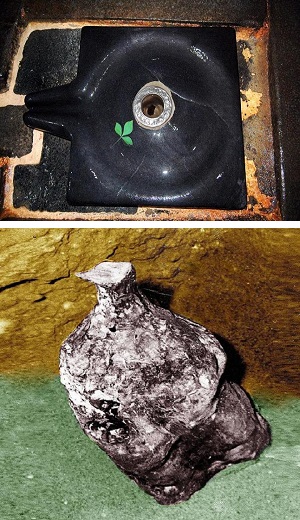 The temple’s importance is rooted in a powerful Purāṇic legend involving Rāvaṇa, the king of Lanka.
According to the tradition, Rāvaṇa performed intense penance to please Lord Śiva. Impressed by his devotion, Śiva granted him the Ātmaliṅga, a divine form of the liṅga believed to make its bearer invincible.
However, the gods feared that Rāvaṇa’s power would become unstoppable if the liṅga reached Lanka. They sought help from Lord Viṣṇu and Lord Gaṇeśa.
During the journey:
-
Gaṇeśa appeared as a young boy.
-
Rāvaṇa handed the liṅga to the boy temporarily while performing his evening rituals.
-
Gaṇeśa placed the liṅga on the ground.
Once placed, the Ātmaliṅga became permanently fixed to the earth at Gokarna.
Despite Rāvaṇa’s attempts, he could not move it. This sacred liṅga is worshipped today as the Mahabaleshwar Śiva Liṅga.
Why Gokarna Is Called Dakshina Kashi
Gokarna is considered spiritually equivalent to Varanasi because:
-
It is believed that prayers offered here remove deep karmic burdens.
-
Rituals for ancestors (pitṛ tarpaṇa) are widely performed.
-
Pilgrims believe visiting Gokarna grants liberation (mokṣa).
This spiritual reputation earned it the title Dakshina Kashi.
Religious Significance
Gokarna is one of the seven sacred Mukti Sthalas of Karnataka. Pilgrims believe that worship here grants:
-
Removal of sins
-
Blessings of Lord Śiva
-
Spiritual purification
The temple is especially crowded during:
-
Mahāśivarātri
-
Kārttika month
-
Shrāddha rituals
Architecture and Temple Traditions
The temple follows traditional Dravidian architecture and maintains strict ancient worship practices.
Unique traditions:
-
Devotees can touch and perform abhiṣeka to the liṅga themselves.
-
Men traditionally enter the sanctum bare-chested.
-
Ritual bathing in the nearby sea precedes temple darśana.
This intimate worship experience makes Gokarna deeply special for devotees.
The Sacred Beaches of Gokarna
Gokarna is unique because spirituality and nature coexist harmoniously. The temple stands close to beautiful beaches, creating a peaceful pilgrimage atmosphere.
Important sacred spots:
-
Gokarna Beach (ritual bathing)
-
Om Beach
-
Kudle Beach
Pilgrims often combine temple worship with meditation and quiet reflection by the sea.
Spiritual Symbolism of the Ātmaliṅga
The Ātmaliṅga represents:
-
Inner strength and devotion
-
The presence of divine consciousness within the self
-
The idea that ultimate power lies in spiritual discipline
The legend teaches that devotion must be balanced with humility and wisdom.
Best Time to Visit
Ideal months:
-
October to March (pleasant weather)
-
Mahāśivarātri festival (grand celebrations)
Early mornings are considered the most peaceful time for darśana.
Conclusion
Gokarna Mahabaleshwar Temple stands as one of the most sacred Śiva pilgrimage destinations in South India. With its powerful mythology, deep religious traditions, and tranquil coastal setting, Gokarna continues to inspire devotion and reflection for millions of pilgrims every year.
